
- Hospital Furniture
- Neonatal Care Product
- Operating Surgical Tables
- Orthopedic Implants
- Surgical Operating Led Lights
- Orthopedic External Fixators
- Laryngoscopes
- Orthopaedic Power Tools
- Medical Disposables
- Hospital Clothing
- Anaesthesia Products
- Autoclaves & Sterilizers
- Hospital Holloware
- Suction Units
- Rehabilitation Aids
- Stethoscopes
- Anesthesia Machine & Ventilators
- Cold Chain Equipment
- Electro Medical Equipments
- Orthopedic Instruments
- Surgical Operating Led Lights
- Physiotherapy products
What Is the Best HIFEM Slimming Machine?
Choosing the best HIFEM Slimming Machine requires more than comparing attractive product photos. HIFEM usually refers to high-intensity focused electromagnetic technology. It creates repeated muscle contractions in targeted areas, such as the abdomen or buttocks. The experience can feel unusual, but many users describe rhythmic tightening rather than sharp pain. Results vary.
A credible comparison should examine clinical evidence, treatment settings, applicator design, cooling systems, operator training, and after-sales support. Published studies and transparent technical documents deserve more attention than dramatic before-and-after images. Ask whether the device has appropriate regulatory clearance in your market. Also confirm who will operate it and how clients are screened. A trained provider should review medical history, treatment goals, and possible contraindications before any session.
The best machine depends on the user.
It is not automatically the newest model.
A practical evaluation also considers session length, maintenance costs, comfort, noise, and consistency between treatment areas. Stronger settings do not always mean better outcomes. Poor positioning may reduce comfort and produce uneven stimulation. That detail is easy to overlook. HIFEM treatments should support body contouring goals, not replace balanced nutrition, physical activity, or professional medical advice. Anyone with relevant implants, pregnancy, neurological conditions, or other health concerns should seek qualified guidance first.
This guide compares leading options through an evidence-aware lens. It also recognizes a limitation: long-term outcomes may differ between devices, clinics, and individuals. Marketing language can sound more certain than the research. Careful questions remain essential.
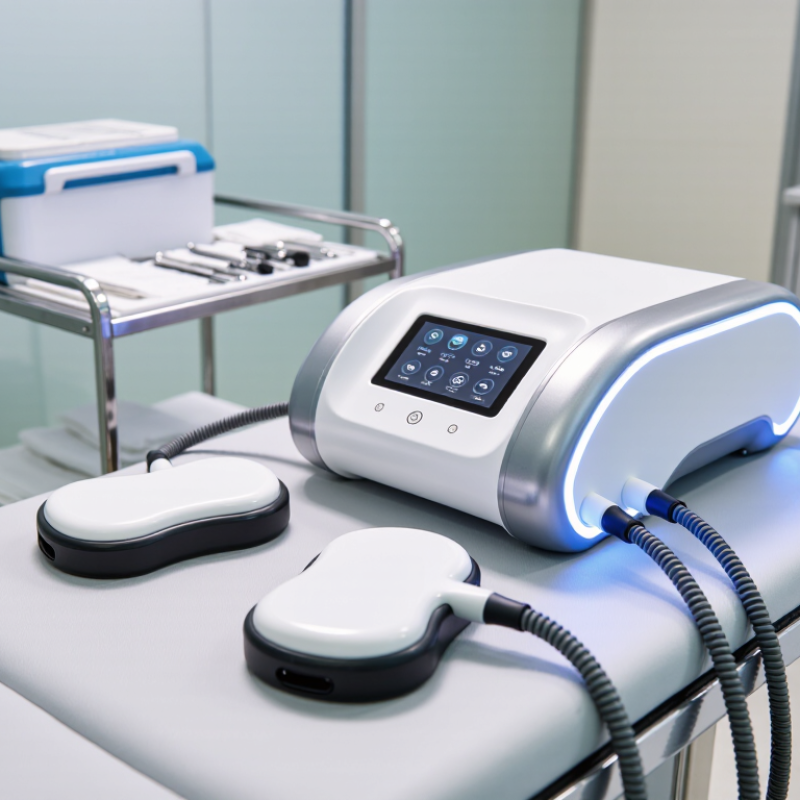
Table of Contents [Hide]
What Is HIFEM Technology and How Does It Support Body Sculpting?
What Is the Best HIFEM Slimming Machine?
HIFEM means high-intensity focused electromagnetic technology. It sends controlled electromagnetic energy into targeted muscles. The energy creates repeated, intense contractions that ordinary exercise may not reproduce easily. These contractions can support muscle strengthening and body contouring in areas such as the abdomen, buttocks, arms, and thighs. HIFEM is not a replacement for weight loss, nutrition, or regular movement. It mainly aims to improve muscle definition and shape.
A qualified practitioner should assess your goals, medical history, and treatment area before use. During a session, you may feel rapid tightening, warmth, or strong pulses. The experience should remain tolerable, not painful. Visible changes can vary because muscle condition, body composition, and treatment settings differ. Some early claims about fat reduction still need careful interpretation. That is worth remembering. The “best” machine is not automatically the strongest one. Safety controls, accurate energy delivery, trained supervision, and honest consultation matter more.
Tips: Ask how the device is regulated in your region. Confirm who operates it and how often they use the technology. Follow hydration and activity guidance from your practitioner. Avoid treatment without medical clearance if you have implanted electronic devices, metal implants near the area, pregnancy, or relevant health conditions. Take progress photos in consistent lighting. Results can be subtle. Give your body time to respond.
What Is the Best HIFEM Slimming Machine? - What Is HIFEM Technology and How Does It Support Body Sculpting?
A practical comparison framework for evaluating HIFEM-based body-sculpting systems
| Evaluation Dimension | Evidence-Based Information | Why It Matters When Choosing a System |
|---|---|---|
| Technology | HIFEM stands for High-Intensity Focused Electromagnetic technology. It uses focused electromagnetic energy to stimulate motor neurons and produce involuntary muscle contractions. | A genuine HIFEM system should clearly describe its electromagnetic stimulation method, treatment area, operating controls, and applicable safety standards. |
| Primary Body-Sculpting Effect | Repeated supramaximal contractions can support muscle conditioning and may improve the visual firmness and contour of treated areas. HIFEM is not a replacement for exercise or a general weight-loss program. | The most suitable machine should match the intended goal: muscle toning, localized contour improvement, or post-weight-loss body shaping. |
| Common Treatment Areas | Commonly evaluated areas include the abdomen, buttocks, arms, thighs, and calves, depending on the applicator design and regulatory clearance of the system. | Look for applicators that fit the target area securely and provide even contact throughout the treatment zone. |
| Treatment Sensation | Users may feel strong, repeated muscle contractions, tapping, or intense tightening. The sensation should remain tolerable and be adjustable by a trained operator. | Adjustable intensity, emergency stop controls, and clear operator guidance improve comfort and treatment control. |
| Typical Session Duration | Many HIFEM body-sculpting sessions are designed to last approximately 20–30 minutes, although the actual duration depends on the device, treatment area, and clinical protocol. | A shorter session is useful for convenience, but treatment quality should not be judged by speed alone. Protocol clarity and patient monitoring are equally important. |
| Treatment Schedule | A course commonly involves several sessions scheduled over a number of weeks. The exact number and interval should be determined by the provider after assessing the individual. | A responsible provider should offer a personalized plan rather than promise identical results for every user. |
| Expected Results | Potential outcomes include improved muscle tone, enhanced firmness, and a more defined appearance in the treated area. Results vary with baseline condition, lifestyle, treatment protocol, and adherence. | Choose systems supported by appropriate clinical evidence and providers who explain realistic outcomes instead of guaranteeing dramatic weight loss. |
| Weight-Loss Limitations | HIFEM body sculpting is generally intended for muscle stimulation and localized contouring. It should not be presented as a primary treatment for obesity or as a substitute for nutrition and physical activity. | Accurate marketing helps users select the technology for body shaping rather than expecting whole-body fat reduction. |
| Non-Invasive Profile | HIFEM treatments are non-invasive: they do not require incisions, injections, or anesthesia. Users can generally return to normal activities after treatment, subject to professional advice. | Non-invasive operation may reduce downtime, but it does not eliminate the need for screening, correct positioning, and qualified operation. |
| Common Short-Term Effects | Temporary muscle soreness, fatigue, tenderness, or mild discomfort may occur after intense contractions. These effects are usually self-limited but should be discussed with the provider if persistent or severe. | Pre-treatment counseling and post-treatment instructions are important indicators of professional service quality. |
| Safety Screening | Users should disclose relevant medical history, implanted electronic devices, metal implants, pregnancy, recent surgery, and other conditions before treatment. Electromagnetic stimulation may be unsuitable for some individuals. | A thorough consultation and contraindication checklist are essential. The device manual and local medical regulations should guide final eligibility decisions. |
| Device Controls | Important controls may include adjustable intensity, treatment-time settings, applicator selection, real-time status indicators, and an emergency stop function. | Clear controls help the operator tailor treatment and respond quickly if the user experiences excessive discomfort. |
| Applicator Design | Applicators should be positioned securely over the selected muscle group and should provide consistent electromagnetic exposure across the intended treatment area. | Ergonomic, well-fitted applicators can improve treatment consistency, comfort, and workflow efficiency. |
| Evidence and Compliance | Performance claims should be supported by credible clinical data, product documentation, and applicable medical-device approvals or clearances in the relevant market. | Independent evidence and regulatory documentation are more reliable than unsupported claims such as permanent fat loss or guaranteed results. |
| Best-Choice Criteria | The best HIFEM slimming machine is the one with appropriate regulatory documentation, a well-designed applicator, adjustable and monitored energy delivery, clear safety procedures, trained operators, and realistic clinical claims. | Price, appearance, and advertised power should be considered only after safety, suitability, evidence, and service support have been verified. |
Important: HIFEM body sculpting is not suitable for everyone. Treatment decisions should be made after a professional consultation, based on the device instructions, local regulations, and the individual’s medical history.


