What Is a To Go Container and What Types Are Available?

A to go container is more than a simple box, cup, or tray. It protects prepared food during transport, supports portion control, and shapes the customer’s first impression. In busy restaurants, the right container must handle heat, moisture, sauces, and sudden movement inside a delivery bag. A weak lid can leak across a car seat. A poor vent can turn crisp fries soft within minutes.

Packaging expert W. Soroka describes packaging as “the science, art, and technology of enclosing and protecting products for distribution, storage, sale, and use.” That definition explains why To Go Containers require more thought than their size suggests. Materials, insulation, closure design, stackability, and disposal options all affect performance. Paperboard works well for many dry foods, while molded fiber, plastic, aluminum, and compostable materials serve different needs. No single option fits every menu.

The choice is rarely perfect. Cost, durability, appearance, and environmental impact can conflict. A lightweight container may reduce shipping weight but fail with oily meals. A sturdy container may protect food better but use more material. This guide examines what a to go container is and compares the main types available. It also considers practical details, including leak resistance, ventilation, reheating suitability, and customer convenience. Small design choices matter. A secure lid matters. So does honest labeling.
What Is a To Go Container and What Types Are Available?

What Is a To-Go Container?

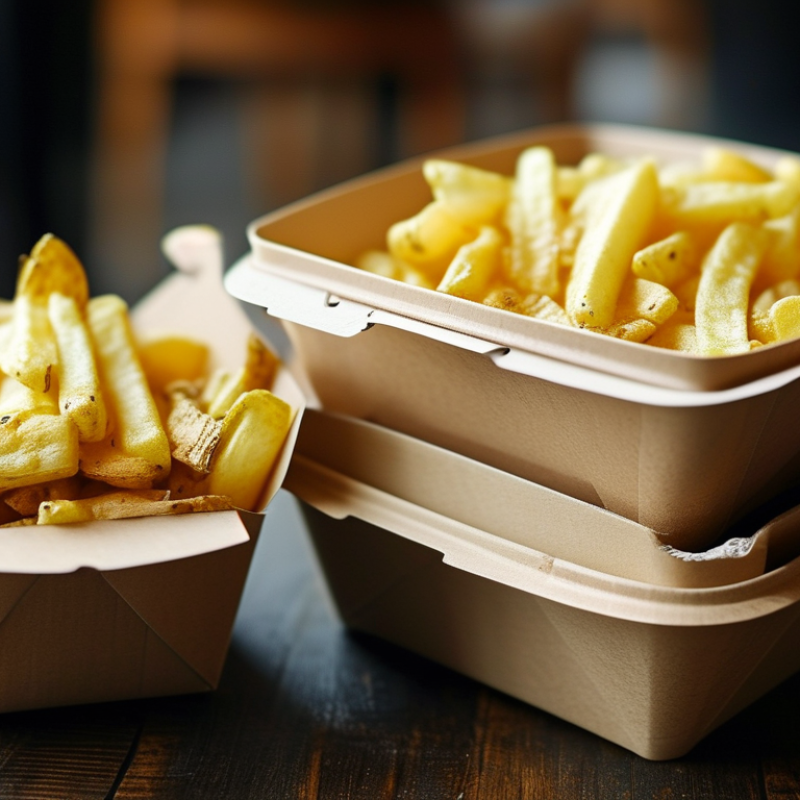
A to-go container is a food-contact vessel designed to hold meals during transport, storage, and short-term serving. It helps prevent spills, protects food from handling, and manages heat or moisture. Common formats include paperboard boxes, molded-fiber trays, plastic tubs, foam containers, and aluminum pans. Each material behaves differently. Paperboard handles dry foods well, while vented fiber containers can reduce steam around fried meals. Tight plastic lids suit soups, sauces, and refrigerated dishes.

The U.S. Environmental Protection Agency reported that containers and packaging generated 82.2 million tons of municipal solid waste in 2018, representing 28.1% of the total. This figure shows why material choice deserves practical attention. A container is not automatically sustainable because it looks natural. Local recycling access, food residue, coatings, and temperature limits all matter. The FDA Food Code 2022 recommends holding cold food at 41°F or below, but packaging cannot replace proper refrigeration. That point is easy to overlook.

Tips: Match the container to the food. Use leak-resistant designs for liquids and vented lids for hot, crisp items. Test the seal with a gentle tilt before service. Check the manufacturer’s temperature guidance, too. In real kitchens, even a good container can fail when filled beyond its intended capacity. Waste reduction remains important, but convenience and food safety must stay connected.

What Is a To-Go Container and What Types Are Available?

A to-go container is a disposable or reusable vessel designed to hold food or beverages for transport. Common options include paperboard, plastic, aluminum, and molded-fiber containers. The best choice depends on capacity, temperature, leak resistance, durability, and recyclability.

These common serving sizes range from 8 to 64 US fluid ounces. The metric values are approximate conversions using 1 US fluid ounce = 29.5735 milliliters; actual usable capacity may vary by container design.

How To-Go Containers Work in Food Service

What Is a To-Go Container and What Types Are Available?

In food service, a to-go container protects food during packing, transport, and short-term holding. Staff select containers based on temperature, moisture, portion size, and delivery time. A sturdy fiber container can hold a hot meal, while a clear plastic-style container helps customers view salads or desserts. Hinged lids speed up service, but separate lids may create a tighter fit. The container must close securely without crushing delicate food. It also needs enough room for sauces, garnishes, and natural expansion from steam.

Tips: Test containers with real menu items before ordering in bulk. Check for leaks, lid movement, stacking strength, and heat retention. Add ventilation only when the food benefits from releasing steam. Fried foods often soften inside sealed packaging. That detail is easy to miss.

Good packing depends on workflow. Staff should fill containers evenly, wipe the rim, secure the lid, and label the order clearly. Heavy items belong below lighter ones during transport. A soup container needs a reliable seal and enough headspace to reduce spills. A paper-based option may work well for dry foods but weaken with prolonged moisture. No container performs perfectly. I have seen attractive packaging fail when sauces collect near the lid. Regular checks reveal these problems early. Food businesses should also follow local food-safety requirements and confirm that materials suit their intended use.

What Is a To-Go Container and What Types Are Available? - How To-Go Containers Work in Food Service

Container Type Common Material Typical Food Applications Main Advantages Important Limitations Typical Closure Best Service Scenario
Clamshell Container Paperboard, molded fiber, or plastic Burgers, sandwiches, fried foods, baked goods, and combo meals Fast to close, easy to stack, and provides an all-in-one package for complete meals Sealed versions may trap steam; plastic versions may be unsuitable for some recycling systems Attached hinged lid with a snap closure Quick-service meals and takeaway counter service
Paper Food Box Coated or uncoated paperboard Noodles, rice dishes, pasta, salads, pastries, and mixed meals Lightweight, printable, and available in multiple shapes and capacities Paperboard can soften when exposed to excess liquid, oil, or prolonged heat Folded locking tabs or a separate lid Dry or moderately saucy takeaway foods
Molded Fiber Container Pressed paper pulp, bagasse, or other plant-fiber material Hot entrées, side dishes, fried foods, and catering portions Rigid, stackable, and commonly selected when a fiber-based package is preferred Performance depends on coatings; high moisture and long holding times can affect strength Hinged lid or separate fitted lid Hot food service and event catering
Plastic Hinged Container Polypropylene or polyethylene terephthalate Salads, cold sides, desserts, sandwiches, and prepared meals Clear options improve product visibility; lightweight and resistant to moisture Heat tolerance and recycling acceptance vary by resin and local facilities Integrated hinged snap lid Chilled foods, display cases, and grab-and-go service
Plastic Deli Container Polypropylene or polyethylene terephthalate Soups, sauces, salads, grains, desserts, and prepared foods Round or rectangular formats are easy to portion, label, refrigerate, and stack Not every format is suitable for hot filling, microwave use, or freezing Separate snap-on lid Meal prep, deli counters, and refrigerated takeaway foods
Aluminum Foil Container Aluminum Roasted meals, baked dishes, casseroles, and foods requiring oven reheating Strong heat performance, good barrier against light and oxygen, and useful for reheating Not suitable for microwave use; edges can be sharp and containers may deform under pressure Crimped foil lid, paperboard lid, or plastic lid rated for the application Hot prepared meals and oven-to-table takeaway service
Foam Container Expanded polystyrene Historically used for hot meals, soups, and fried foods Very light, insulating, and inexpensive compared with many rigid formats Restricted or banned in some locations; bulky and often difficult to recycle Hinged lid or separate snap-on lid Use only where local regulations permit it
Soup and Beverage Cup Coated paperboard or polypropylene Soups, hot drinks, cold drinks, smoothies, and liquid foods Designed for liquids and commonly available with leak-resistant lids Requires a compatible lid; paper coatings can complicate fiber recovery Snap-on sipping or vented lid Delivery, takeaway beverages, and liquid meals
Compartment Meal Tray Molded fiber, polypropylene, or paperboard Meals containing separate protein, starch, vegetables, and sides Keeps foods separated, supports portion control, and reduces the need for multiple containers Compartments limit portion size; liquid foods may require an additional sealed cup Snap-on lid, hinged lid, or film seal Institutional meals, catering, and combination plates

Note: Actual leak resistance, temperature range, microwave suitability, compostability, and recyclability depend on the specific design, coating, resin, and local waste-management rules.

Common Materials Used for To-Go Containers

A to-go container is a food package designed for transport, short-term holding, and convenient eating. Its material affects heat retention, leakage, recycling, and customer experience. Paperboard remains common because it feels light and prints well. However, grease can weaken untreated fiber.

The U.S. Environmental Protection Agency reported 41.5 million tons of paper and paperboard containers and packaging in municipal waste in 2018. Its recovery rate was about 53.9%. That figure sounds encouraging, but food residue can reduce actual recycling value.

Plastic containers usually use polypropylene or polyethylene terephthalate. Polypropylene handles hot food well and bends without cracking. PET offers clarity, which helps customers inspect salads and chilled meals. Yet plastic collection varies widely by location.

The OECD’s Global Plastics Outlook reported 353 million tonnes of plastic waste worldwide in 2019. Packaging represented about 40% of that waste. Molded fiber and bagasse containers provide a renewable-looking option, but they may soften under soups.

Compostable does not always mean backyard-compostable. Aluminum containers resist heat and grease, although they can feel sharp and lose shape when crushed. No material wins every test. That compromise deserves more attention.

Tips: Match the container to the meal. Use coated fiber for dry foods, sturdy polypropylene for hot dishes, and vented lids for fried items. Check local recycling guidance before making environmental claims. A container that looks sustainable may still fail in the nearest collection system. Sampling leakage, temperature, and lid fit during real service is more reliable than trusting a specification sheet alone.

Types of To-Go Containers by Food and Purpose

What Is a To-Go Container and What Types Are Available?

A to-go container holds prepared food for transport, short-term storage, or delivery. Its design should match the meal, not merely its price. The U.S. Environmental Protection Agency reported that containers and packaging generated 82.2 million tons of municipal solid waste in 2018. That figure shows why material selection deserves careful attention.

For soups, curries, and sauces, leak-resistant polypropylene or coated paper containers work well. Tight lids and stable bases reduce spills during movement. Fried foods need vented paperboard boxes. Small openings release steam and help preserve crispness. Without ventilation, fried chicken can become soft within minutes. Salads usually need wide, shallow bowls with separate dressing cups. This protects texture and prevents early wilting. Clear PET lids improve visibility, while molded fiber bases offer a more rigid feel. They are not always suitable for oily foods.

Bakery items benefit from lightweight paperboard cartons with protective windows. Aluminum trays suit baked meals and high-heat service, but they may not fit every reheating system. For catering, stackable containers save space and support portion control. The Food and Agriculture Organization has repeatedly linked better packaging and storage with reduced food loss, although packaging alone cannot solve waste. A perfect container does not exist. Compostable options also need suitable local facilities, a detail that is often overlooked. In practice, temperature, travel time, sauce quantity, and disposal access should guide the final choice.

How To Choose the Right To-Go Container

Choosing a to-go container starts with the food, not the logo.

A watery curry needs a leak-resistant bowl with a tight lid. Fried food needs ventilation, or the crust becomes soft within minutes. For salads, use a rigid container that protects leafy ingredients and keeps dressing separate. Common options include paperboard boxes, molded fiber trays, plastic tubs, aluminum containers, and reusable containers. Each type has trade-offs in heat retention, stacking, oil resistance, and disposal.

Material choice also deserves evidence. The OECD’s Global Plastics Outlook reports that packaging created about 40% of global plastic waste in 2019. The United Nations Environment Programme identifies packaging as a major source of single-use plastic pollution.

These figures do not make one container perfect. They do encourage careful sizing. Oversized packaging wastes material and increases transport volume. A smaller container may crush delicate food, though. I still test both.

Check the container’s temperature rating, seal strength, and compatibility with sauces. For hot meals, choose a design that resists warping and allows safe steam release. For delivery, perform a simple shake test with warm water before service. Stack several filled containers to find weak lids. Follow applicable food-contact requirements and supplier documentation. “Compostable” can also be misunderstood; local processing facilities may not accept every certified material. Cost matters, but failure costs more: spills, refunds, and disappointed customers.

TOP