Top 10 Must Have Medical Tools for Global Buyers
In today’s global healthcare market, the demand for effective medical tools is more crucial than ever. According to the World Health Organization, the global medical device market is expected to exceed $500 billion by 2024. A diverse range of medical tools plays a vital role in improving patient outcomes and enhancing the efficiency of healthcare delivery.
Health professionals frequently face challenges in selecting the right medical tools. A 2021 report highlighted that about 25% of healthcare providers struggle with outdated equipment, impacting service quality. Tools such as diagnostic devices, surgical instruments, and telehealth solutions are not just essential; they often become the backbone of successful medical practices. Misalignment between technology and practice remains a pressing concern.
Investing in advanced medical tools can lead to significant improvements. However, cost and training barriers may prevent their optimal use. Practitioners must continuously adapt to emerging technologies to thrive in this dynamic environment. The right medical tools can transform healthcare delivery, but awareness and access must evolve alongside innovation.

Essential Characteristics of Medical Tools for Global Buyers
Choosing the right medical tools for global buyers involves understanding essential characteristics that ensure both effectiveness and safety. One crucial aspect is durability. Tools must withstand rigorous use in various environments. A study from the Global Health Observatory shows that equipment failures can compromise healthcare outcomes in up to 30% of cases.
Another important characteristic is versatility. Medical tools should serve multiple functions, catering to diverse medical needs. This flexibility allows healthcare professionals to adapt to different circumstances. Data suggests that tools with multifunctional capabilities can improve efficiency by up to 40%.
Consider portability as well. Many global buyers need tools that are easy to transport and store. Bulkiness can lead to logistical challenges. Lightweight designs, therefore, are highly valued.
When selecting tools, prioritize those that comply with international safety standards. Reports indicate that nearly 25% of medical tools do not meet safety regulations, risking patient safety and increasing liability for healthcare providers.
Stay informed about advancements in materials and technology. Emerging innovations can enhance performance and patient outcomes. Regular research is vital. Continuous education on evolving tools can provide a competitive edge.
Opt for user-friendly designs. Tools that are intuitive improve the ease of use. Ease of training for staff can reduce onboarding time. Regular feedback from users can highlight areas needing improvement, ultimately enhancing tool effectiveness.
Key Categories of Medical Tools in High Demand Worldwide
When exploring medical tools in high demand worldwide, certain categories stand out. Instruments for diagnostics are crucial. According to the World Health Organization, about 80% of global health needs can be addressed through effective diagnostics. Equipment like blood analyzers and imaging machines remains essential, especially in low-resource settings.
Surgical tools also hold significant importance. A review by the Global Health Alliance noted that access to surgical equipment is vital for improving health outcomes. In particular, surgical kits and minimally invasive instruments are increasingly sought after. These tools facilitate quicker recovery times and reduce hospital stays, enhancing patient care.
Personal protective equipment (PPE) has surged in demand, especially post-pandemic. Data from the Centers for Disease Control and Prevention indicates that proper PPE effectively reduces infection transmission. Items such as gloves, masks, and gowns are now standard in various healthcare settings. Yet, the inconsistent supply and quality across regions highlight areas for improvement. Addressing these challenges will require collaboration and innovative solutions to enhance global healthcare delivery.
Top 10 Must Have Medical Tools for Global Buyers
| Tool Name |
Category |
Global Demand (% Increase) |
Key Features |
| Ultrasound Machine |
Imaging |
18% |
Non-invasive, Real-time imaging |
| Ventilator |
Respiratory |
15% |
Assisted breathing, Portable |
| Surgical Instruments |
Surgery |
20% |
Precision cutting, Autoclavable |
| Diagnostic Kits |
Diagnostics |
30% |
Rapid testing, User-friendly |
| Thermometers |
Monitoring |
25% |
Digital, Fast response |
| IV Pumps |
Infusion |
22% |
Accurate dosage, Programmable |
| Patient Monitors |
Monitoring |
28% |
Multi-parameter, Wireless connectivity |
| Laboratory Analyzers |
Lab Equipment |
35% |
Automated, High throughput |
| Electrocardiogram (ECG) |
Cardiology |
18% |
Non-invasive, Quick diagnosis |
| Blood Pressure Monitor |
Monitoring |
20% |
Digital, Portable |
Top 10 Medical Tools Vital for Healthcare Professionals
Healthcare professionals rely on essential medical tools to deliver quality patient care. Among the top tools, clinical thermometers rank high, playing a critical role in diagnosing fevers. According to recent research, around 80% of healthcare providers emphasize the importance of accurate temperature readings. However, many still face challenges with outdated instruments, potentially jeopardizing patient safety.
Another vital tool is the stethoscope, which aids in assessing heart and lung function. Studies show that around 60% of physicians carry this device daily. Yet, the effectiveness of stethoscopes depends on sound quality and maintenance. Neglecting regular checks can lead to misdiagnoses, raising concerns about patient outcomes.
In addition to these, portable ultrasound machines are gaining popularity. They enable real-time imaging for various procedures. A survey indicated that nearly 75% of practitioners believe portable ultrasounds enhance diagnostic accuracy. However, mastering this technology requires training, and not all practitioners have adequate resources. Addressing these challenges is crucial for improving healthcare processes globally.
Guidelines for Selecting Quality Medical Tools for Import
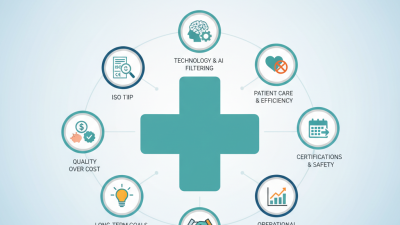
Selecting high-quality medical tools for import involves careful consideration. Buyers need to look beyond price and focus on the reliability of the tools. Certification is key; ensure that products meet international safety and quality standards. Verify that the tools have undergone rigorous testing and hold the necessary approvals from recognized bodies.
Following a clear checklist can help streamline the selection process. Consider durability and ease of use, especially for busy medical environments. Read previous user reviews to gauge real-world performance and reliability. Don’t overlook the importance of after-sales support. An effective warranty can save costs in the long run.
Seek transparency from suppliers. Inquire about the sourcing of materials and manufacturing processes. This reveals the supplier’s commitment to quality. Understand that cheaper options may compromise essential safety standards. Engaging directly with manufacturers can often yield more accurate information than through distributors, leading to better decision-making for your medical tool needs. These considerations can significantly influence the quality and effectiveness of the medical tools you choose.
Top 10 Must Have Medical Tools for Global Buyers
Trends Influencing the Global Market for Medical Equipment
The global market for medical equipment is evolving rapidly. Innovations in technology play a vital role in shaping this landscape. Emerging trends reveal a significant focus on telemedicine and remote monitoring tools.
These advancements enhance healthcare accessibility. They empower patients, allowing them to engage more in their health decisions.
Another notable trend is the shift towards more sustainable materials. This push for eco-friendly solutions impacts manufacturing processes. It challenges medical equipment suppliers to rethink traditional practices.
Challenges also arise from regulatory changes. Adapting to these new standards can be complex and costly.
Healthcare professionals must stay informed about such trends. Understanding market dynamics is crucial for effective decision-making. Buyers often weigh quality against cost efficiency. It’s important not to compromise patient safety for savings. As the global demand for reliable medical tools increases, buy carefully.