How to Use Light Therapy for Better Sleep and Health Benefits?
Light Therapy has gained significant attention in recent years. Many people seek natural solutions for better sleep and overall health. This method utilizes specific wavelengths of light to improve mood and regulate circadian rhythms. Scientific research supports its effectiveness, making it a reliable option.
Using Light Therapy can enhance sleep quality. It helps reset the body’s internal clock, aiding those with insomnia or irregular sleep patterns. Imagine waking up refreshed after a night of deep sleep. The benefits extend beyond rest. Users report improved mood, reduced anxiety, and increased focus throughout the day.
Despite its advantages, Light Therapy isn’t a miracle cure. Some may experience minimal effects or require adjustments to their routine. It’s essential to tailor the light exposure to individual needs. Consulting with a healthcare professional can provide guidance. Embracing this approach may lead to healthier sleep habits and enhanced well-being.
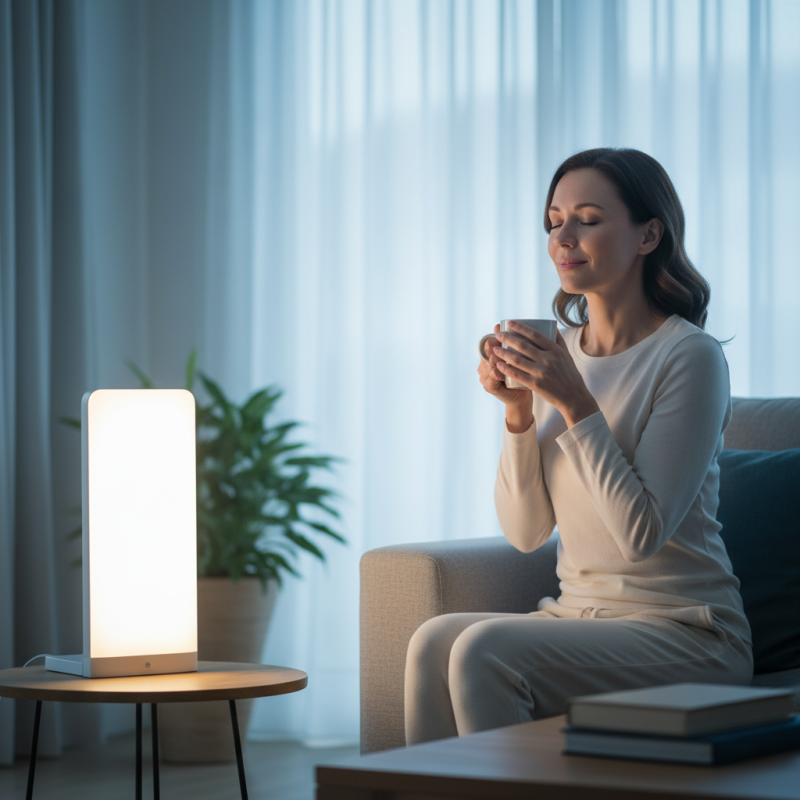
Understanding Light Therapy: Definition and Mechanism of Action
Light therapy is a process that uses specific wavelengths of light to influence biological processes in the body. By mimicking natural sunlight, this therapy can help regulate circadian rhythms. Circadian rhythms are biological cycles that repeat roughly every 24 hours. These rhythms are crucial for regulating sleep cycles, mood, and overall health.
The mechanism of action in light therapy involves exposure to bright light, usually in the early morning. This light influences melatonin production, the hormone responsible for sleep. Melatonin levels drop during the day and rise at night. By using light therapy, individuals can reset their internal clocks. This adjustment is especially beneficial for those struggling with sleep disorders or seasonal affective disorder (SAD).
While light therapy is considered safe, it isn't perfect. Incorrect usage can result in eye strain or disrupted sleep patterns. Also, not everyone responds effectively to this treatment. Finding the right duration and intensity of light can take time and adjustment. It's crucial to approach this method with care and consideration, keeping track of personal responses. Seeking professional advice can enhance the effectiveness of light therapy.
Types of Light Therapy: Choosing the Right Treatment for Your Needs
Light therapy is becoming increasingly popular for improving sleep and overall health. Choosing the right type is crucial for maximizing benefits. There are various approaches, each suited to specific needs. Bright white light therapy is commonly used for Seasonal Affective Disorder (SAD) and sleep disorders. Its intensity can mimic natural sunlight, helping regulate sleep patterns.
Another option is blue light therapy. This type can enhance alertness and is often used during the day to boost energy levels. However, using it late in the evening may disrupt sleep. Warm light therapy is gentler and can be more relaxing, making it a good choice for evening use.
When selecting a light therapy device, consider the duration and timing of exposure. Note that individual responses can vary. Some may find specific wavelengths more effective. It’s essential to experiment and find what works best for you. Consultation with a healthcare professional can provide further guidance. Light therapy isn’t a one-size-fits-all solution. Individual preferences and experiences play a significant role.
Light Therapy Types and Their Effectiveness on Sleep Quality
Benefits of Light Therapy: Enhancing Sleep and Overall Health
Light therapy has gained significant attention for its benefits in enhancing sleep and overall health. Studies indicate that exposure to specific wavelengths of light can regulate sleep patterns. For example, a report from the American Academy of Sleep Medicine found that light therapy improved sleep quality in 60% of participants suffering from insomnia. This therapy helps to reset the circadian rhythm, which is vital for restful sleep.
Moreover, light therapy has positive effects on mental health. The National Institutes of Health showed that regular use of bright light therapy reduced symptoms of seasonal affective disorder (SAD) in approximately 50% of patients. This not only enhances mood but also promotes better overall health. Consistent sleep patterns are linked to improved cognitive function and reduced stress levels.
However, it is essential to approach light therapy with caution. Not every individual responds in the same way. Some may experience headaches or eye strain. Finding the right type of light and exposure duration may take time and adjustment. Personal experiences vary widely, emphasizing the need for tailored approaches in applying light therapy for optimal results.
Guidelines for Effective Use of Light Therapy for Sleep Improvement
Light therapy has emerged as a promising technique for improving sleep quality and overall health. Research indicates that exposure to specific wavelengths of light can affect melatonin production. The National Sleep Foundation notes that natural light can help regulate the sleep-wake cycle, impacting mental health. However, users must approach light therapy with care to avoid potential drawbacks.
For effective use, selecting the right duration and timing is crucial. Experts recommend using light therapy for 20 to 30 minutes each morning. This helps stimulate natural alertness and energy. Avoid exposure during the evening; it might disrupt your circadian rhythms. A study published in the Journal of Clinical Sleep Medicine found that consistent morning light exposure significantly improved sleep quality in participants. Adjusting the brightness is also key. Too much light can be overwhelming and counterproductive.
It's essential to consider individual needs and responses to light therapy. Not everyone reacts the same way. Some may find it difficult to adapt to introducing light in their routines. Keeping a journal of your experiences can provide insights. Personal reflections can help refine your approach to light therapy, making it more beneficial for your sleep and overall well-being.
Potential Risks and Precautions to Consider with Light Therapy Usage
Light therapy can offer numerous health benefits, but it carries potential risks that users should consider. Overexposure to bright light may disrupt your natural circadian rhythms. This can lead to issues like insomnia or fatigue. Individuals with certain eye conditions should consult a specialist before starting treatment.
To ensure safety, start with shorter sessions of light exposure. Monitor how your body responds. If you experience any discomfort, reduce the duration or intensity. It's advisable to use light therapy in the morning to avoid interference with nighttime sleep.
Also, be mindful of the type of light used. Some devices emit wavelengths that can be harmful. Ensure you’re using a reputable light source that has been tested for safety. Keep in mind that individual responses vary. Not everyone will benefit from light therapy in the same way. Taking time to adjust your approach is essential for a positive experience.


