
- Hospital Furniture
- Neonatal Care Product
- Operating Surgical Tables
- Orthopedic Implants
- Surgical Operating Led Lights
- Orthopedic External Fixators
- Laryngoscopes
- Orthopaedic Power Tools
- Medical Disposables
- Hospital Clothing
- Anaesthesia Products
- Autoclaves & Sterilizers
- Hospital Holloware
- Suction Units
- Rehabilitation Aids
- Stethoscopes
- Anesthesia Machine & Ventilators
- Cold Chain Equipment
- Electro Medical Equipments
- Orthopedic Instruments
- Surgical Operating Led Lights
- Physiotherapy products
How to Choose a Blood Component Separator?
Choosing a Blood Component Separator is a critical decision for hospitals, blood centers, and clinical laboratories. The right system can affect component quality, processing speed, staff safety, and patient outcomes. It should not be selected from a brochure alone.
Dr. Harvey G. Klein, a respected transfusion medicine specialist and former chief of the NIH Department of Transfusion Medicine, stated, “The safest blood is the blood that is not transfused.” This principle highlights the importance of accurate separation, reliable storage, and careful clinical use. A capable Blood Component Separator should divide whole blood into red cells, plasma, and platelets with minimal contamination and consistent recovery.
Look beyond basic separation claims. Examine centrifuge control, disposable sets, sealing accuracy, temperature management, automation, and maintenance support. Ask how the equipment performs during long shifts, when samples vary in volume or hematocrit. Small workflow delays can accumulate quickly.
Operator experience matters.
A practical evaluation should include real processing trials. Compare component yield, processing time, noise, error alerts, and cleaning requirements. Review validation documents and independent performance data whenever possible. Supplier training and after-sales service also deserve close attention, especially where technical support is limited.
No separator is perfect. That is worth admitting. A sophisticated device can still underperform when protocols are unclear or staff training is inconsistent. The best choice balances technical precision, regulatory compliance, budget, and everyday usability. This article explains how to assess those factors and choose equipment that supports dependable blood component preparation.
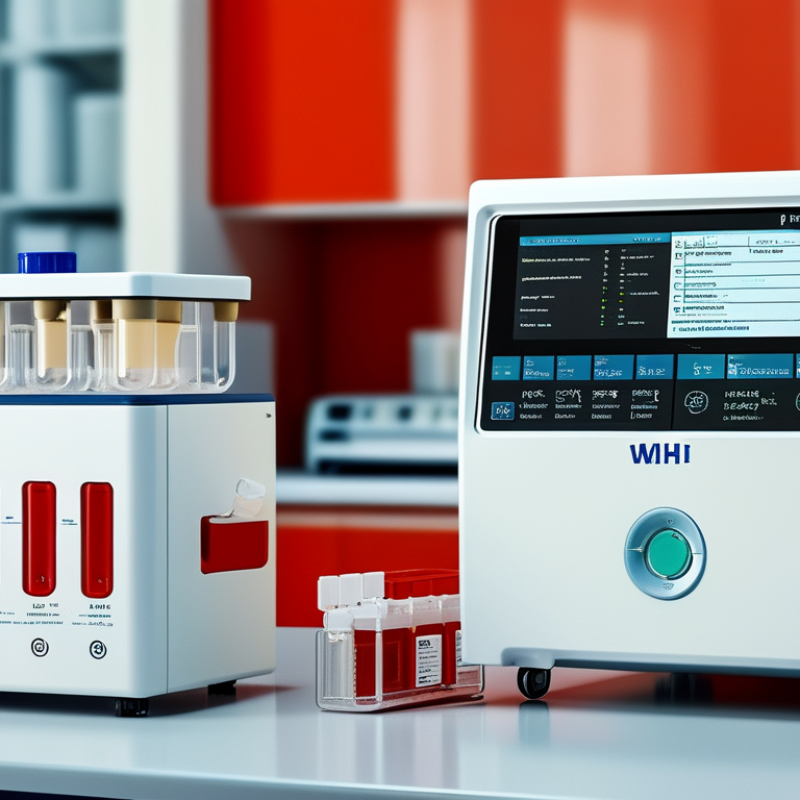
Table of Contents [Hide]
Define the Purpose and Application of a Blood Component Separator
How to Choose a Blood Component Separator?
Define the purpose before comparing equipment. A blood component separator should match the component you need to isolate, such as red cells, plasma, or platelets. The intended application affects separation settings, container compatibility, processing volume, and required accuracy. A device for routine whole-blood processing may not suit specialized platelet preparation. Be specific. State the starting material, target component, expected yield, and acceptable residual volume.
Review the clinical or laboratory workflow in detail. Consider daily workload, operator skill, processing time, and cleaning requirements. The separator should support validated procedures and consistent results between operators. Look for clear controls, secure tubing connections, alarms, and traceable settings. Independent performance data and documented quality testing are valuable. A specification sheet alone may not reveal practical problems, such as difficult clamps or unclear instructions. That matters during busy shifts.
Tips: Write a short use-case before requesting quotations. Include sample volume, component targets, room conditions, and power requirements. Confirm compatibility with approved collection bags and tubing. Ask how calibration, maintenance, training, and technical support are handled. Test the workflow with representative samples when possible. Small details matter. Also, review local regulatory requirements and your organization’s standard operating procedures. Some choices seem efficient at first, but they may increase training demands or produce avoidable handling errors.


