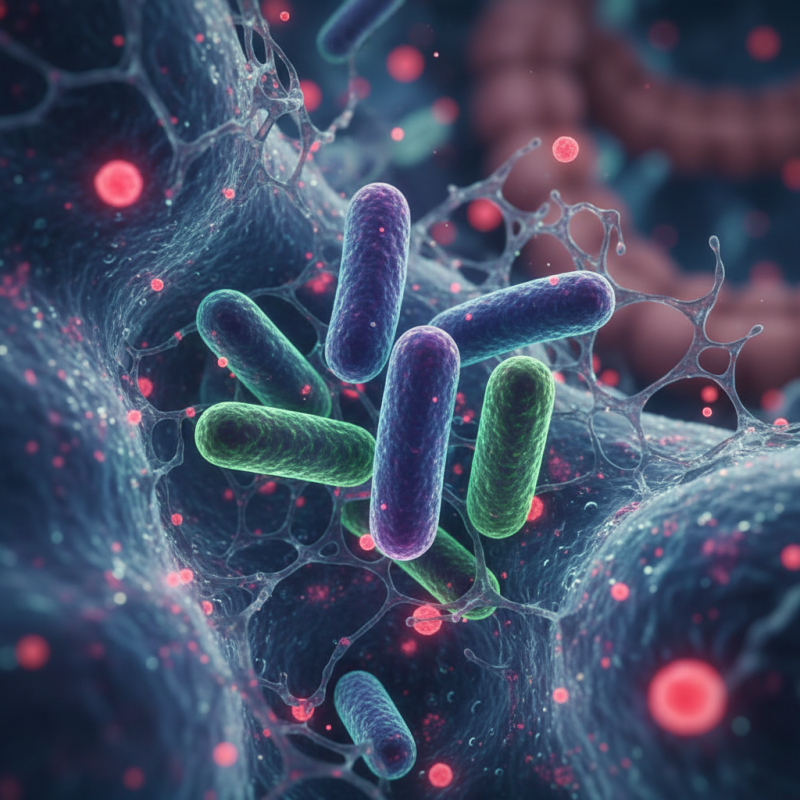
Top 10 Benefits of Akkermansia Muciniphila for Health?
Akkermansia Muciniphila has emerged as a vital player in gut health recently. Renowned microbiome expert Dr. Jeffrey Gordon states, "Akkermansia Muciniphila is not just a marker of health but a potential therapeutic agent." This bacterium plays a significant role in maintaining gut barrier integrity and reducing inflammation.
Research highlights the numerous benefits of Akkermansia Muciniphila. Studies suggest it may aid in weight management and blood sugar regulation. Individuals with higher levels often report better metabolic health. These findings make Akkermansia a promising target for future treatments.
Despite its potential, more research is required to understand its full capabilities. Not everyone may experience the same benefits. The complex interactions within the gut microbiome mean outcomes can vary. Thus, it is crucial to approach this topic with an open mind and a willingness to learn more.
The Role of Akkermansia Muciniphila in Gut Health and Microbiome Balance
Akkermansia muciniphila plays a vital role in gut health. This bacterium thrives in the mucus layer of the intestines. It supports the gut barrier function, reducing inflammation and promoting a balanced microbiome. A diverse microbiome is crucial for overall health. A healthy gut means better digestion and absorption of nutrients.
Research suggests that Akkermansia can influence metabolic health. Low levels of this bacterium are linked to obesity and diabetes. By increasing its presence, individuals may improve their metabolic profiles. Maintaining this balance is essential. However, it’s not a magic bullet for health.
Diet impacts Akkermansia levels significantly. A fiber-rich diet encourages its growth. Foods like fruits, vegetables, and whole grains are beneficial. Yet, many people still struggle to consume adequate fiber daily. This gap indicates a need for tailored dietary approaches. Understanding individual needs can enhance gut health over time.
Top 10 Benefits of Akkermansia Muciniphila for Health
| Benefit | Description |
| Promotes Gut Health | Supports the integrity of the gut barrier, reducing permeability. |
| Weight Management | Contributes to regulating body weight and fat mass. |
| Improves Metabolism | Enhances metabolic processes, aiding in better nutrient absorption. |
| Reduces Inflammation | May lower inflammatory markers, promoting overall health. |
| Supports Immune Function | Enhances the immune response, providing better protection against pathogens. |
| Enhances Gut Microbiome Diversity | Promotes a balanced microbiome, essential for gut health. |
| May Aid in Diabetes Prevention | Potentially lowers the risk of developing insulin resistance. |
| Regulates Lipid Levels | May help in managing cholesterol and triglycerides. |
| Supports Mental Health | Emerging evidence suggests a potential link between gut health and mood regulation. |
| Enhances Nutrient Absorption | Improves the gut's ability to absorb essential nutrients effectively. |
Impact on Metabolic Health: Weight Management and Fat Regulation
Akkermansia muciniphila is a gut bacterium gaining attention for its role in metabolic health. Research shows it can influence weight management and fat regulation. Individuals with higher levels of this bacterium often have better metabolic profiles. They tend to have lower body fat and improved insulin sensitivity. This suggests a connection between Akkermansia muciniphila and healthy body composition.
The impact on fat regulation is noteworthy. This bacterium helps break down mucus in the gut, promoting a healthier gut barrier. A strong gut barrier can lead to reduced inflammation. Inflammation is often linked to weight gain and metabolic disorders. Thus, ensuring optimal levels of Akkermansia may support effective weight management. One concerning aspect is that not everyone has high levels of this bacterium. Diet and lifestyle choices can greatly affect its abundance.
Maintaining a diet rich in fiber is essential. However, many people struggle to consume enough fiber. This can hinder the growth of beneficial bacteria like Akkermansia muciniphila. Mindful eating practices can encourage better gut health. It’s important to reflect on daily habits. Small changes can lead to significant improvements over time.
Top 10 Benefits of Akkermansia Muciniphila for Health
This chart illustrates the top benefits of Akkermansia Muciniphila, particularly its impact on metabolic health, weight management, and fat regulation.
Akkermansia Muciniphila and Its Influence on Immune Function Improvement
Akkermansia Muciniphila, a gut bacterium, plays a unique role in enhancing immune function. Studies show its presence improves gut barrier integrity. This is crucial as a healthy gut influences overall immunity. For instance, a report from Nature highlights that Akkermansia can reduce inflammation markers, promoting a balanced immune response.
Research indicates that individuals with higher levels of Akkermansia Muciniphila have better metabolic health. A study in the Journal of Clinical Investigation found correlations between Akkermansia abundance and improved immune cell function. This bacterium aids in regulating immune responses, which may lead to lower risk of autoimmune diseases.
Tip: Consider incorporating dietary sources that encourage Akkermansia growth, such as prebiotic fibers.
Moreover, the presence of Akkermansia can help modulate the gut microbiota. This modulation is vital for maintaining a diverse microbiome, which enhances immune resilience. However, it is essential to note that factors like diet and lifestyle can negatively affect Akkermansia levels. Balancing these elements is key.
Tip: Regularly consume fermented foods to support gut health, fostering a thriving environment for Akkermansia.
Connection Between Akkermansia Muciniphila and Inflammation Reduction
Akkermansia muciniphila is a beneficial bacterium found in the human gut. Recent studies indicate its significant role in reducing inflammation. According to a study from the International Journal of Molecular Sciences, this bacterium can enhance gut barrier function, thereby preventing inflammatory responses. This is crucial as chronic inflammation is linked with various diseases, including obesity and metabolic disorders.
Research published in Nature Communications highlights that Akkermansia muciniphila levels are often lower in individuals with obesity. This suggests a direct connection between its abundance and the body's inflammatory state. When present, it may aid in regulating immune responses and reducing inflammation. This interplay plays a vital role in promoting overall health.
Despite these promising findings, challenges remain in fully understanding its mechanisms. Variability among individuals can affect how this bacterium functions. Further studies are essential to unravel these complexities. Exploring Akkermansia muciniphila’s potential could pave the way for novel therapies aimed at combating inflammation-related health issues.
Potential Therapeutic Uses of Akkermansia Muciniphila in Disease Prevention
Akkermansia muciniphila is a unique gut bacterium gaining attention in health research. This microbe thrives in the mucus layer of the gut and plays a critical role in maintaining gut health. Studies suggest that it can help improve gut barrier function. A robust gut barrier is essential in preventing inflammation and infection.
Emerging research indicates potential therapeutic applications for Akkermansia muciniphila in disease prevention. This bacterium may help manage obesity and related metabolic disorders. Some studies show a reduction in fat mass among individuals with higher levels of Akkermansia. It appears to influence glucose metabolism as well, which is vital for diabetes management.
Investigators are exploring its role in inflammatory bowel diseases too. Research shows that Akkermansia levels decrease in patients suffering from these conditions. Restoring this bacterium could be beneficial. Moreover, its impact on the immune system is still being uncovered, presenting both opportunities and questions. Finding effective methods to integrate this bacterium into treatments remains a significant challenge.