
- Hospital Furniture
- Neonatal Care Product
- Operating Surgical Tables
- Orthopedic Implants
- Surgical Operating Led Lights
- Orthopedic External Fixators
- Laryngoscopes
- Orthopaedic Power Tools
- Medical Disposables
- Hospital Clothing
- Anaesthesia Products
- Autoclaves & Sterilizers
- Hospital Holloware
- Suction Units
- Rehabilitation Aids
- Stethoscopes
- Anesthesia Machine & Ventilators
- Cold Chain Equipment
- Electro Medical Equipments
- Orthopedic Instruments
- Surgical Operating Led Lights
- Physiotherapy products
How to Find Surgical Instruments Suppliers Worldwide?
Finding reliable surgical instrument suppliers worldwide requires more than comparing online prices. Hospitals, distributors, and medical procurement teams need suppliers with proven experience, consistent quality, and transparent documentation. A polished website can look convincing. It cannot replace careful verification.
Start by defining your requirements clearly. Consider instrument type, surgical specialty, material, finish, packaging, and expected order volume. A supplier offering stainless steel forceps may not meet the needs of a microsurgery department. Search terms such as “www surgical instruments” can reveal global directories and manufacturer websites. However, search visibility is not proof of reliability.
Request product catalogs, technical specifications, quality certificates, and traceability records. Check whether the supplier operates under recognized quality systems, such as ISO 13485, where applicable. Ask for sample instruments. Examine hinge movement, surface finishing, alignment, and engraving clarity under bright inspection light. Small defects matter.
Speak with previous customers when possible. Confirm lead times, export experience, replacement policies, and communication standards. A supplier may promise ten-day delivery, yet production delays can affect an entire operating schedule. Written agreements reduce uncertainty.
Country-specific registration, import rules, and medical device requirements must also be reviewed with qualified local professionals. Regulations differ widely. Do not assume one certificate works everywhere.
The best supplier is not always the cheapest. It is the partner that provides repeatable quality, honest communication, and dependable support after delivery. Some evaluations will remain uncertain. That is why supplier selection should be documented, reviewed, and improved over time.

Table of Contents
[Hide]
Define Product Scope Using FDA Device Classes and ISO 13485:2016
How to Find Surgical Instruments Suppliers Worldwide?
Define Product Scope Using FDA Device Classes and ISO 13485:2016
Finding surgical instrument suppliers worldwide begins with a precise product scope. A “forceps” description is not enough. Record intended use, tissue contact, reusability, sterilization method, materials, and packaging. These details influence regulatory pathways and supplier capabilities. Under the FDA framework, devices generally fall into Class I, II, or III, based on risk and required controls. Classification is product-specific. Never assign a class from a catalog photograph. Class I may involve general controls, while Class II often requires additional controls. Class III usually demands stronger evidence. Some instruments may have exemptions, but every exemption needs verification.
Use the FDA Product Classification Database to check the device type, product code, and submission expectations. For other markets, map the product against local requirements. Ask suppliers for quality records, material specifications, sterilization validation, inspection reports, and change-control procedures. A certificate alone is not enough. It may be outdated or limited in scope. Confirm that it covers the actual production site. Small gaps matter. Missing batch records can damage traceability.
ISO 13485:2016 provides a quality management framework for medical devices. It emphasizes risk-based processes, corrective actions, supplier control, and traceability. Request controlled drawings, lot identification, nonconformance records, and training evidence. Speak with quality staff, not only sales staff. Be realistic. Polished documents can still hide weak incoming inspection. Independent audits and sample testing reduce that risk, although they cannot remove it. Recheck the certificate scope before signing.
How to Find Surgical Instruments Suppliers Worldwide? - Define Product Scope Using FDA Device Classes and ISO 13485:2016
| Product Scope | Typical FDA Device Class | Typical U.S. Regulatory Consideration | Key Technical and Quality Evidence | ISO 13485:2016 Focus | Supplier Screening Criteria |
|---|---|---|---|---|---|
| Reusable manual surgical instruments Examples: forceps, retractors, scissors, clamps, needle holders and elevators. |
Usually Class I | Many conventional reusable manual instruments are Class I and may be 510(k)-exempt, subject to applicable limitations. Establishment registration and device listing may still apply. | Material specifications, dimensional drawings, corrosion resistance, cleaning and sterilization instructions, inspection records and usability documentation. | Document control, purchasing controls, production control, cleaning-process validation where applicable, traceability and nonconforming-product control. | Ability to provide consistent geometry, surface finish, batch records, inspection reports and validated reprocessing instructions. |
| Single-use sterile surgical instruments Examples: disposable scalpels, sterile biopsy instruments and procedure-specific tools. |
Class I or II | Classification depends on intended use, design and applicable product code. Some devices may be exempt; others may require a 510(k) or additional controls. | Sterilization validation, packaging integrity, shelf-life studies, biocompatibility assessment, labeling and lot traceability. | Production and process validation, sterile-barrier controls, risk-based purchasing, complaint handling and corrective-action procedures. | Verified sterilization capability, packaging validation, environmental controls, lot release records and documented shelf-life evidence. |
| Powered surgical instruments Examples: electric, pneumatic or battery-powered cutting, drilling and sawing systems. |
Usually Class II | A 510(k) is commonly required unless a specific exemption applies. Electrical safety, electromagnetic compatibility and performance requirements may be relevant. | Performance testing, electrical safety, electromagnetic compatibility, software documentation when applicable, battery safety and maintenance instructions. | Design and development controls, production-process validation, equipment calibration, supplier controls and post-market feedback. | Engineering competence, testing laboratories, controlled firmware or software processes, calibration systems and documented change control. |
| Endoscopic and minimally invasive instruments Examples: graspers, dissectors, retrieval tools and access instruments. |
Class I or II | Classification varies according to invasiveness, duration of contact, intended procedure and whether the instrument is reusable or single-use. | Dimensional accuracy, insertion and withdrawal force, tensile strength, fatigue testing, biocompatibility and reprocessing or sterility evidence. | Risk management integration, design verification, process capability, cleaning validation and field-performance monitoring. | Tight dimensional control, validated cleaning or sterilization, reliable assembly processes and documented usability testing. |
| Surgical stapling and suturing devices Examples: manual staplers, stapling reloads, suturing devices and closure systems. |
Usually Class II | A 510(k) and special controls may apply depending on the product code and intended use. Sterility and tissue-contact requirements should be assessed. | Closure strength, firing reliability, tissue interaction, dimensional inspection, biocompatibility, sterility and packaging performance. | Design transfer, process validation, risk controls, lot traceability, final inspection and complaint trend analysis. | Repeatable assembly, validated forming or firing processes, traceable raw materials and effective failure investigation. |
| Surgical instruments with tissue-contacting coatings or materials Examples: instruments with specialized coatings, polymers or prolonged tissue contact. |
Class II or III | The classification depends on intended use, contact duration, active functions and risk profile. Higher-risk claims may require more extensive premarket evidence. | Chemical characterization, biocompatibility, coating adhesion, wear or particulate testing, sterilization compatibility and shelf-life evidence. | Design controls, supplier qualification for critical materials, process validation, environmental controls and change notification. | Controlled material sourcing, validated coating processes, documented batch release and formal management of formulation or process changes. |
| Implantable or long-term surgically invasive products Examples: permanent or long-term implantable surgical components. |
Class II or III | The regulatory pathway may include 510(k), De Novo or PMA, depending on risk, predicate availability and intended use. Product-specific confirmation is essential. | Material characterization, biocompatibility, sterilization, fatigue and strength testing, packaging, clinical evidence where required and full traceability. | Comprehensive design history, risk management, validation, production traceability, implant records and post-market surveillance. | Auditable quality system, validated special processes, qualified critical suppliers, strict lot control and long-term records retention. |
| Custom or procedure-specific instrument sets Trays or kits assembled for defined surgical procedures. |
Depends on components | The set may inherit regulatory obligations from its individual instruments and intended use. Packaging, labeling and sterilization claims require separate review. | Configuration control, compatibility evidence, tray loading instructions, reprocessing validation, labeling and inventory traceability. | Configuration management, production planning, purchasing controls, validation of assembly and control of customer-supplied information. | Accurate kitting, barcode or lot control, change management, documented inspection and reliable fulfillment of configuration requirements. |
| Supplier quality-system qualification Applies across all surgical-instrument categories. |
Not a device class | FDA device classification is product-specific. A supplier certificate alone does not establish U.S. market authorization or exemption status. | Quality certificate scope, audit history, procedures, inspection plans, validation records, complaint data and corrective-action effectiveness. | ISO 13485:2016 clauses 4–8: quality system, management responsibility, resources, product realization, measurement, analysis and improvement. | Confirm certificate validity, certification scope, manufacturing-site address, expiration date, audit status and coverage of the supplied product category. |
| Worldwide regulatory readiness For suppliers serving multiple destination markets. |
U.S. Class I, II or III; destination-market classification may differ. | Use the applicable FDA product code and classification database for U.S. scope. Do not assume that an FDA classification automatically transfers to another jurisdiction. | Regulatory certificates, declarations, technical documentation, labeling languages, UDI or equivalent identification records and market-specific post-market procedures. | Regulatory requirements embedded in the quality system, documented customer requirements, vigilance support and controlled regulatory change monitoring. | Experience with the target market, multi-language documentation, export records, consistent product identifiers and timely regulatory communication. |
Important classification note: FDA device class, exemption status and premarket pathway must be confirmed for the specific product code, intended use, technological characteristics and labeling. ISO 13485:2016 is a quality-management-system standard; it does not assign FDA device classes or replace regulatory authorization.
Related Posts
-

2026 Best Surgical Instruments Suppliers for Global Buyers
-
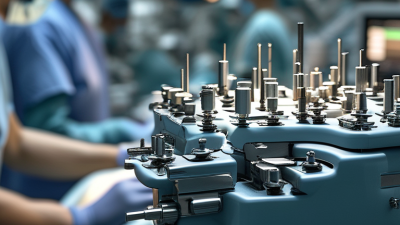
Top Orthopedic Implants Instruments for Global Buyers Guide?
-

2026 Best Hospital Medical Equipment Innovations for Patient Care?
-
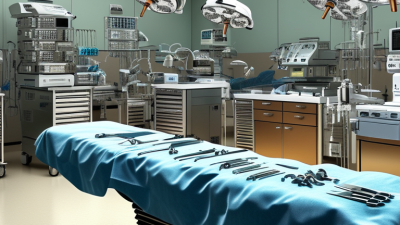
What is Chirurgical Instruments and How to Source Them?
-
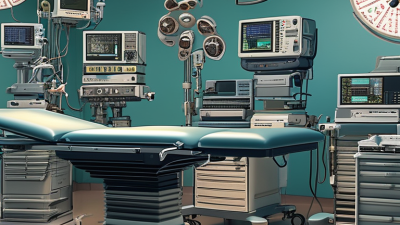
How to Choose the Right Medical Tools for Your Needs?
-
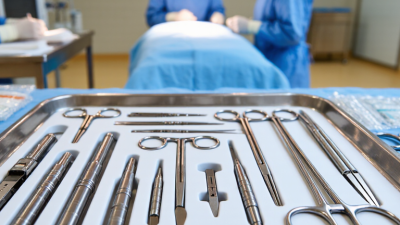
What Is a Surgical Instrument Set for Global Buyers?


