What Are Orthopedic Surgical Supplies Used For?

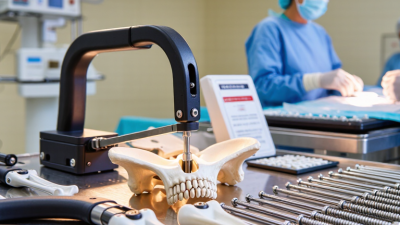
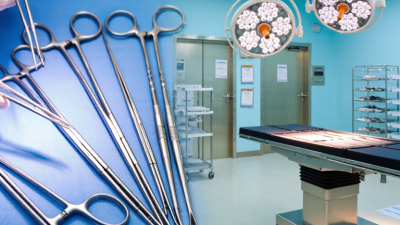
Orthopedic surgical supplies support procedures that repair, stabilize, or replace damaged bones and joints. They include sterile instruments, fixation plates, screws, intramedullary nails, bone cement, retractors, saw blades, and protective barriers. Each item serves a specific purpose. A trauma team may use screws to hold a fractured wrist in alignment. During knee replacement, surgeons rely on cutting guides, trial components, implants, and precise measuring tools. The operating room also needs sterile drapes, suction devices, irrigation systems, and wound dressings.

The correct supply depends on the patient’s anatomy, injury pattern, surgical approach, and implant plan. Experienced orthopedic teams check sizing, material compatibility, sterility, and instrument function before incision. Small details matter. A missing drill guide can delay fixation. Poorly prepared equipment can increase pressure during a complex procedure. This is why hospitals follow documented protocols and manufacturer instructions, while qualified clinicians make final decisions.

Orthopedic surgical supplies do more than fill an operating tray. They help transform surgical plans into controlled movements and stable repairs. However, no supply guarantees a successful outcome. Patient health, surgical skill, infection prevention, rehabilitation, and follow-up care also influence recovery. Some product descriptions sound persuasive, yet evidence and clinical judgment deserve greater weight. This article explains what orthopedic surgical supplies are used for, where they fit in common procedures, and why proper selection matters. The discussion is educational, not a substitute for advice from a licensed orthopedic professional.
What Are Orthopedic Surgical Supplies Used For?

Types of Orthopedic Surgical Supplies

What Are Orthopedic Surgical Supplies Used For?

Orthopedic surgical supplies support procedures involving bones, joints, muscles, ligaments, and tendons. They help surgeons repair damage, stabilize fractures, and restore movement. Common types include bone plates, screws, wires, pins, and intramedullary nails. These fixation devices hold broken bones in proper alignment during healing. External fixation frames may support serious fractures from outside the body. Their use depends on fracture location, bone quality, and surgical planning.

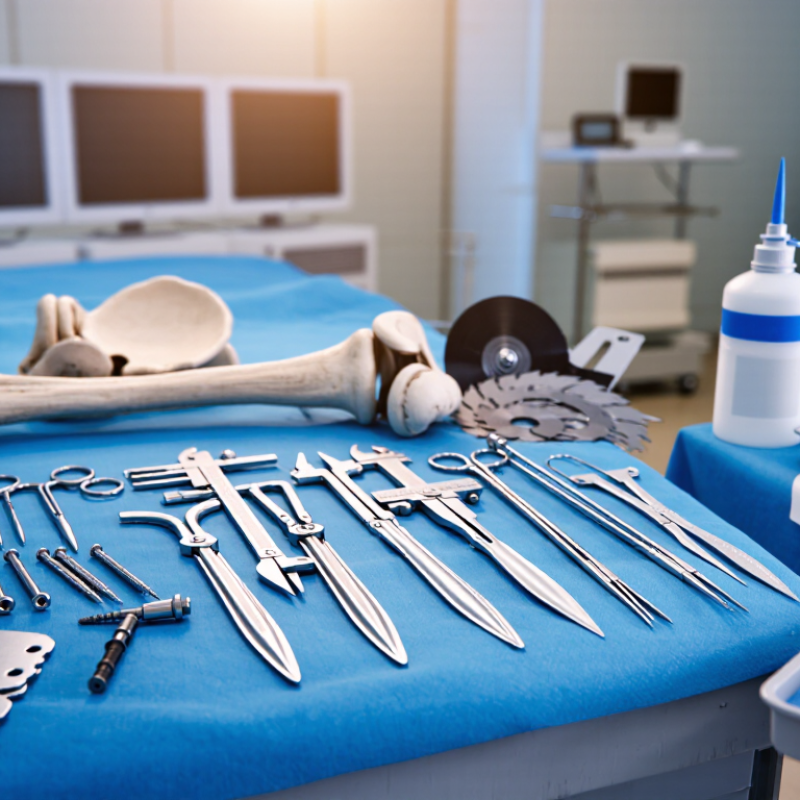
Reusable orthopedic instruments include drills, saws, retractors, forceps, and cutting guides. Arthroscopy supplies include small cameras, fluid pumps, shavers, and cannulas for minimally invasive joint procedures. Joint replacement supplies may include trial components, alignment tools, bone cement equipment, and sterile covers. Wound closure materials, suction tubing, surgical drapes, and sterilization containers also support the procedure. In practice, small details matter. A missing screw size can interrupt an otherwise well-planned operation.

Tips:

Check packaging, sterility indicators, expiration dates, and instrument function before use. Match each supply with the patient’s anatomy and the planned technique. Keep backup sizes available, especially for fixation systems. Staff should follow approved instructions and local clinical requirements. A final count helps prevent avoidable errors. It sounds simple, but rushed checks sometimes fail. Clear documentation improves traceability and supports safer care.

How Orthopedic Supplies Support Surgical Procedures

Orthopedic surgical supplies turn a complex procedure into a controlled sequence of precise actions. According to the World Health Organization’s 2022 report, musculoskeletal conditions affect about 1.71 billion people worldwide. This demand makes reliable instruments essential in operating rooms.

Retractors create a clear view around bone and soft tissue. Surgical drills and saws shape bone with measured control. Plates, screws, nails, and joint components stabilize repaired areas. Sterile drapes, suction devices, and instrument trays support infection control and workflow. The American Joint Replacement Registry’s 2024 Annual Report tracked more than three million hip and knee procedures. That figure shows why consistent supply preparation matters.

Small details matter.

Tips: Match every implant and instrument to the surgical plan before incision. Check sizes, sterilization indicators, packaging integrity, and expiration dates. Keep backup components available, but avoid overloading the sterile field. Document lot numbers for traceability. In practice, teams may still miss a minor item during a fast case. That weakness deserves honest review, not blame. A short preoperative huddle can reveal missing tools, unclear roles, or unsuitable sizes. Clinical judgment remains essential because patient anatomy rarely follows a perfect template.

What Are Orthopedic Surgical Supplies Used For?

Orthopedic supplies support key stages of surgery, including sterile preparation, tissue access, bone preparation, fixation, imaging verification, and wound closure.

The chart maps commonly used orthopedic supply groups to five core surgical phases. A value of 1 indicates that the supply group has a direct role in that phase; a value of 0 indicates that it is not typically the primary supply for that phase. Actual product selection depends on the procedure, anatomy, surgeon preference, and hospital protocol.

Supplies Used for Bone Repair and Stabilization

What Are Orthopedic Surgical Supplies Used For?

Supplies Used for Bone Repair and Stabilization

Orthopedic surgical supplies help restore fractured bones and maintain alignment during healing. Plates and screws support broken surfaces, while intramedullary nails stabilize long-bone fractures from inside the marrow canal. Wires and pins can hold small fragments in position. External fixation frames provide support when swelling or damaged skin makes internal implants unsuitable. The World Health Organization reports 20–50 million nonfatal road-traffic injuries each year, many involving fractures and long-term disability. These supplies can reduce movement at the injury site and support controlled bone healing.

Bone repair also depends on the patient’s biology. Bone grafts or graft substitutes may fill gaps where bone is missing, especially after severe trauma or revision surgery. The International Osteoporosis Foundation estimates that one in three women and one in five men over 50 will experience an osteoporotic fracture. Fragile bone may require locking fixation, wider support, or a slower rehabilitation plan. AO Surgery Reference guidance stresses matching fixation to fracture pattern, bone quality, soft-tissue condition, and loading demands. No implant is universally ideal. That assumption fails. Surgeons must review imaging, infection risk, circulation, and expected daily activity before choosing supplies. Small technical details matter, including screw length, plate position, and protection of nearby nerves. These decisions should follow current clinical evidence, trained judgment, and careful follow-up.

What Are Orthopedic Surgical Supplies Used For? – Supplies Used for Bone Repair and Stabilization
Supply Category Typical Materials Primary Function Common Clinical Uses How It Supports Bone Repair or Stabilization Important Considerations
Bone Plates Stainless steel, titanium, or titanium alloy Provide rigid or semi-rigid fixation across a fracture. Long-bone fractures, periarticular fractures, osteotomies, and corrective procedures. Maintain alignment and limit movement between fracture fragments while bone healing occurs. Plate selection depends on fracture pattern, bone quality, anatomical location, and required fixation strength.
Bone Screws Stainless steel, titanium alloy, or bioabsorbable polymers in selected applications Attach plates to bone or compress and secure individual fracture fragments. Fracture fixation, lag-screw compression, fragment fixation, and attachment of fixation plates. Generate compression or hold implants firmly in bone to prevent loss of reduction. Thread design, diameter, length, and purchase in the bone must match the anatomy and surgical objective.
Intramedullary Nails Titanium alloy or stainless steel Stabilize fractures from within the medullary canal. Femoral, tibial, and humeral shaft fractures; selected metaphyseal and segmental fractures. Share load along the bone axis and help control shortening, rotation, and angulation. Often combined with locking screws; correct nail diameter, length, and entry point are important.
Locking Bolts and Interlocking Screws Titanium alloy or stainless steel Lock an intramedullary nail to the bone. Unstable shaft fractures, comminuted fractures, and fractures requiring control of rotation or length. Prevent migration of the nail and control axial and rotational movement of fracture segments. Number and position of locking screws depend on fracture stability and the selected fixation strategy.
External Fixator Components Metal pins, rods, clamps, rings, and carbon-fiber or metal connecting elements Stabilize a fracture using a frame outside the body. Open fractures, severe soft-tissue injury, temporary damage-control stabilization, and complex limb reconstruction. Transfers stabilizing forces through percutaneous pins or wires while allowing access to injured soft tissue. Pin-site care, frame alignment, and protection of nearby nerves and blood vessels are essential.
Kirschner Wires and Steinmann Pins Stainless steel or titanium alloy Provide temporary or definitive fixation of small bone fragments and selected fractures. Hand and foot fractures, pediatric fractures, small-joint procedures, and temporary intraoperative fixation. Maintain fragment position or guide other implants during fracture repair. They may be smooth or threaded; exposed wires require careful protection and monitoring for infection.
Cerclage Wires and Cables Stainless steel or cobalt-chromium alloy Wrap around bone to hold fragments together or supplement another fixation method. Longitudinal fractures, trochanteric fixation, revision procedures, and selected periprosthetic fractures. Apply circumferential compression and help prevent fragment separation. They are generally used as an adjunct rather than the sole fixation method for many unstable fractures.
Bone Graft Materials Autologous bone, donated human bone, or processed synthetic graft substitutes Fill bone defects and support biological healing. Nonunion, bone loss, spinal fusion, revision surgery, and defects created during reconstruction. May provide osteogenic cells, osteoconductive scaffolding, or osteoinductive signals, depending on the material. Choice depends on defect size, patient factors, biological needs, and infection risk.
Bone Cement Polymethyl methacrylate (PMMA) Fill gaps and provide mechanical fixation in selected orthopedic procedures. Fixation of certain joint replacement components, vertebral augmentation, and antibiotic-loaded spacers in staged treatment. Creates a mechanical interlock between an implant and prepared bone or stabilizes weakened bone in selected procedures. It does not biologically bond to bone; heat generated during curing and cement-related complications must be considered.
Suture Anchors Metal, bioabsorbable polymers, or composite materials Secure sutures to bone for reattachment of soft tissues. Repair of tendons, ligaments, labral tissue, and other soft-tissue attachments around joints. Restore the connection between soft tissue and bone, supporting functional recovery rather than directly bridging a fracture. Anchor size, placement, pullout strength, and material absorption profile vary by anatomy and procedure.
Spinal Rods, Screws, and Interbody Devices Titanium alloy, cobalt-chromium alloy, stainless steel, or radiolucent polymer composites Align and stabilize spinal segments and, in selected procedures, support fusion. Spinal deformity correction, instability, degenerative conditions, trauma, and reconstruction after decompression. Control spinal motion and alignment while bone graft material may bridge the intended fusion area. Implant configuration is based on spinal level, bone quality, alignment goals, and the planned fusion technique.
Orthopedic Casts and Splints Plaster of Paris, fiberglass, foam, thermoplastics, and padding Restrict movement and protect an injured or surgically repaired area. Fracture immobilization, postoperative protection, sprains, and temporary stabilization before definitive treatment. Reduce stress on the injured bone and surrounding tissues while early healing takes place. Fit must be monitored for swelling, pressure injury, impaired circulation, numbness, or worsening pain.

Tools for Joint Replacement and Reconstruction

What Are Orthopedic Surgical Supplies Used For?

Tools for Joint Replacement and Reconstruction

Orthopedic surgical supplies support the precise work required to replace or rebuild damaged joints. During a knee or hip replacement, surgeons may use bone saws, reamers, drills, cutting guides, and trial components. These tools help remove damaged surfaces and prepare bone for stable implant placement. Fit matters.

Retractors improve visibility around the joint, while suction and irrigation systems help maintain a clear surgical field. Trial components allow the team to assess alignment, movement, and soft-tissue balance before selecting the final implant size. In reconstruction procedures, plates, screws, wires, and graft preparation tools can restore bone structure after trauma or complex tissue loss. Small errors matter.

Reliable orthopedic supplies require more than sharp instruments. Each item should match the planned procedure, remain sterile, and function consistently under pressure. Surgical teams review compatibility, inspect instruments, confirm sizing options, and document sterilization and traceability. Proper handling also protects delicate surfaces and reduces avoidable delays. Still, no tray is perfect. A complete set can contain the wrong configuration, and an experienced team may need to adapt when anatomy differs from imaging. Careful planning helps, but clinical judgment remains essential.

Safety, Sterility, and Postoperative Care Supplies

What Are Orthopedic Surgical Supplies Used For?

Orthopedic surgical supplies support safe procedures, sterile technique, and controlled recovery. Sterile gowns, gloves, drapes, and instrument trays help reduce contamination around the surgical field. Before use, staff should inspect packaging, expiration dates, and sterilization indicators. Small defects matter.

During surgery, suction tubing removes blood and fluid from the field. Irrigation systems help clear bone debris and improve visibility. Hemostatic materials support bleeding control when clinically appropriate. Surgical instruments must match the procedure and remain traceable through proper documentation. Clear labeling also helps prevent selection errors.

Postoperative supplies protect the incision and support early mobility. Sterile dressings absorb drainage and shield the wound from friction. Drains, when prescribed, require careful measurement and secure placement. Compression garments may help manage swelling, but fit and circulation need regular assessment. Crutches, walkers, and braces should be adjusted by trained professionals.

Recovery is not automatic. A clean dressing can still hide redness, unusual warmth, increasing pain, or drainage. Patients should follow the surgical team’s instructions and report changes promptly. Staff also need to explain hand hygiene, dressing replacement, and safe disposal. No checklist is perfect. A rushed handoff can weaken otherwise careful care.

TOP