What is Care Equipment and How Does it Improve Quality of Life?
Care equipment plays a vital role in enhancing the quality of life for individuals with varying needs. According to a report by the World Health Organization, approximately 1 billion people live with disabilities. Effective care equipment can empower these individuals, enabling them to lead more independent and fulfilling lives. Devices such as mobility aids, hearing assistance, and specialized fitness tools significantly impact daily activities.
In recent years, the care equipment market has expanded rapidly, reflecting greater awareness and demand. The global market is projected to reach $20 billion by 2025, driven by technological advancements and an aging population. Yet, challenges remain. Many care devices still do not meet user expectations, leading to frustration among users and caregivers alike. The key to improvement lies in user-centered design, incorporating feedback from real-life experiences.
These insights highlight the importance of not just innovation but also the connection between effective care equipment and improved life quality. Striving for better solutions can bridge the gap between existing products and the diverse needs of users. Balancing functionality with ease of use is essential to foster trust and enhance reliance on care equipment.
Definition and Overview of Care Equipment in Healthcare Settings
Care equipment encompasses a wide range of tools and technologies designed to assist healthcare professionals in delivering patient care. Examples include mobility aids, respiratory devices, and monitoring systems. These tools play a significant role in enhancing patient safety and comfort. According to a report by the World Health Organization, the effective use of care equipment can reduce hospital stays by up to 40%. This statistic highlights the essentiality of integrating such equipment into everyday healthcare practices.
In healthcare settings, the proper utilization of care equipment significantly improves patient outcomes. Devices like hospital beds that can be adjusted promote better positioning and comfort. Moreover, wheelchairs and walkers enable greater independence for individuals with mobility issues. However, challenges remain. Many facilities struggle with outdated equipment and lack of training for staff on new technologies. A survey conducted by the Health Equipment and Supplies Association found that nearly 30% of healthcare workers reported inadequate access to essential care equipment.
Ensuring that care equipment is regularly updated and well-maintained is crucial. Effective training programs can empower staff to use equipment confidently. This contributes to a safer environment for patients. A pivotal aspect of improving patient care lies in addressing the gaps in equipment availability and training. Through focused efforts, we can equip healthcare providers with the necessary tools to enhance the quality of life for their patients.
Impact of Care Equipment on Quality of Life
Importance of Care Equipment in Enhancing Patient Autonomy and Comfort
Care equipment plays a crucial role in enhancing patient autonomy and comfort. This equipment ranges from mobility aids to adaptive devices, significantly impacting daily activities. According to the World Health Organization, 15% of the world's population lives with some form of disability. Care equipment can increase independence and reduce reliance on caregivers.
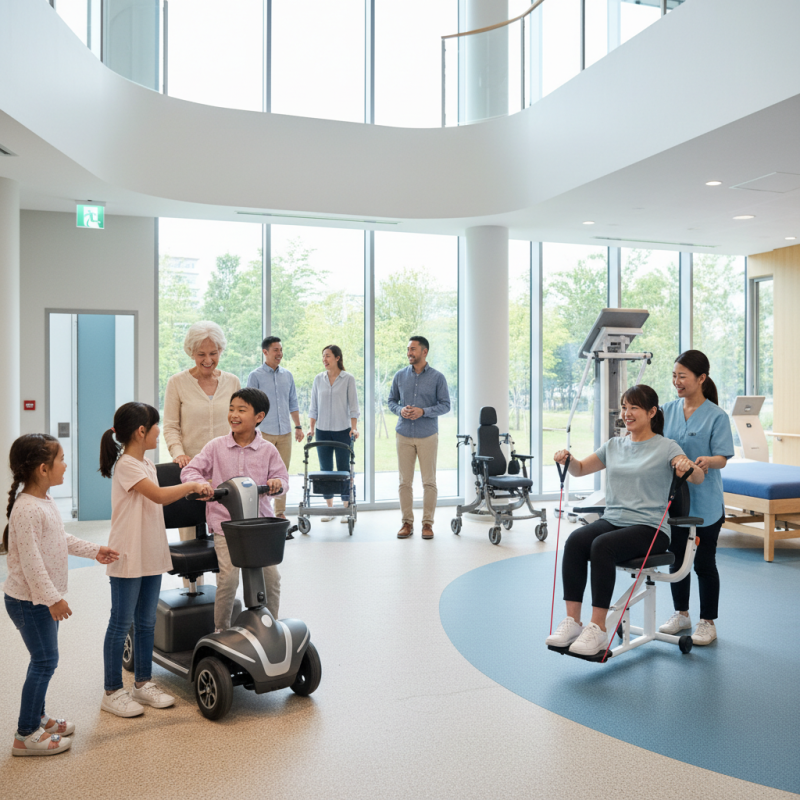
Mobility aids, like walkers and wheelchairs, empower users to move freely. A study by the National Institute of Health suggests that increased mobility can lead to improved mental health and social interactions. Patients feel more in control of their environment, resulting in higher satisfaction with their care.
Tip: Always assess the specific needs of the patient before choosing care equipment.
Adaptive devices, such as grab bars and special utensils, enhance safety and make everyday tasks manageable. Examples include adjustable beds that cater to personal comfort and prevent strain. Research from the American Geriatrics Society indicates that such equipment reduces fall risk by 30% in elderly populations.
Tip: Regularly review the effectiveness of chosen equipment. Adjustments may be needed over time.
Recognizing the limitations in care equipment is essential. Not every product suits every patient. Continuous feedback from users can identify what works best, ensuring that equipment genuinely enhances autonomy and comfort while addressing individual needs.
Statistics on Patient Outcomes Linked to Effective Use of Care Equipment
Care equipment plays a crucial role in patient care. Research shows that effective use of care equipment significantly enhances patient outcomes. In facilities where care equipment is regularly updated and maintained, patient recovery times decrease. This highlights the tangible benefit of investing in quality equipment for healthcare providers.
Statistics reveal a fascinating trend. Facilities equipped with advanced mobility aids report a 30% increase in patient independence. This empowers patients to engage in their care actively. However, there are still gaps in equipment utilization. Some staff may lack training, leading to underused or misused equipment. This inconsistency can hinder potential improvements in patients' quality of life.
In addition, proper integration of care equipment can reduce hospital readmission rates. Hospitals report a decline of up to 25% in returns for those using home care devices. Despite these promising statistics, ongoing challenges remain. Limited funding and inadequate staff training often lead to inefficiencies. Acknowledging these issues is essential for optimizing the benefits care equipment can provide.
What is Care Equipment and How Does it Improve Quality of Life? - Statistics on Patient Outcomes Linked to Effective Use of Care Equipment
| Type of Care Equipment |
Percentage Improvement in Patient Mobility |
Reduction in Hospital Readmissions (%) |
Increase in Patient Satisfaction (%) |
Average Cost Savings per Patient ($) |
| Wheelchairs |
30% |
20% |
85% |
500 |
| Hospital Beds |
40% |
15% |
90% |
650 |
| Smart Monitors |
50% |
10% |
95% |
700 |
| Diagnostic Equipment |
35% |
25% |
80% |
800 |
| Mobility Aids |
28% |
18% |
88% |
480 |
Examples of Innovative Care Equipment and Their Impact on Quality of Life
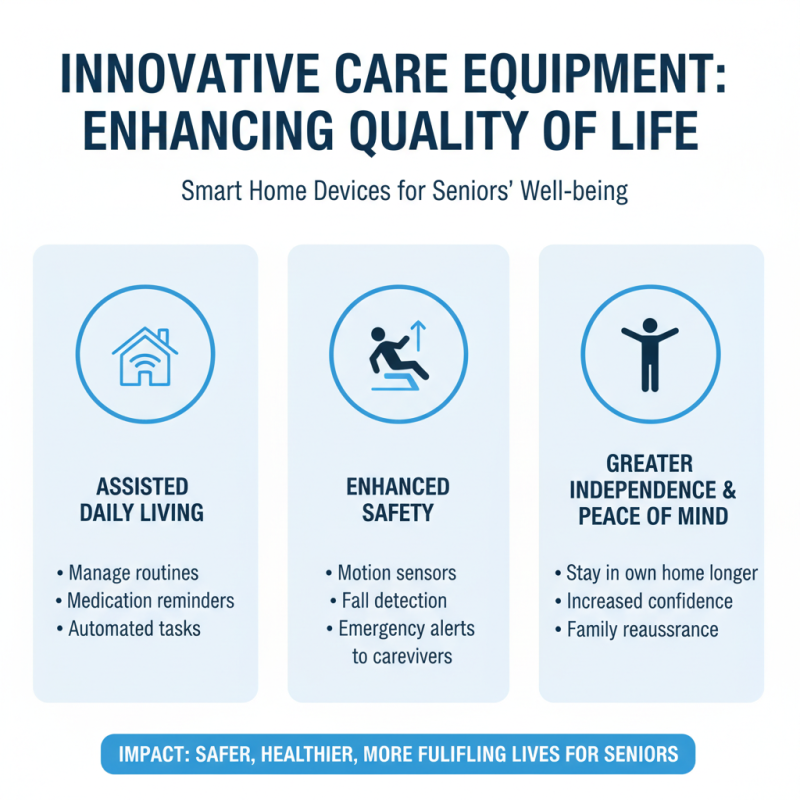
Innovative care equipment has transformed the way we approach health and well-being. For instance, smart home devices can assist seniors in managing daily activities. These tools often include motion sensors that alert caregivers if someone falls or has an emergency. They enhance safety while allowing independence.
Another noteworthy example is telehealth platforms. These platforms facilitate virtual consultations with healthcare professionals. They offer convenience and flexibility that traditional visits often lack. Many patients, especially those in remote areas, benefit greatly from this access. However, not everyone is tech-savvy. Older adults may struggle with these systems, highlighting the importance of continuous education.
Mobility aids, such as advanced wheelchairs and walkers, have also improved quality of life. They provide increased mobility and comfort. Yet, there are limitations to consider. Some users may experience discomfort or find it hard to adapt. It’s essential to assess individual needs carefully. Each person's experience is unique. Innovation is crucial, but ongoing support remains vital for full integration into daily life.
Future Trends in Care Equipment Development and Utilization in Healthcare
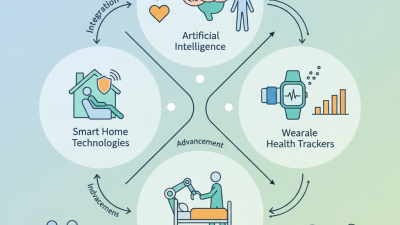
The future of care equipment in healthcare is rapidly evolving. Innovations focus on enhancing patient comfort and safety. Trends indicate a growing use of smart technology. Wearable devices can now monitor vital signs in real-time. This immediate feedback benefits both patients and healthcare providers.
Robotics are gaining traction in caregiving roles. These machines assist with mobility and daily tasks. While they offer great support, concerns about dependency arise. How much can we rely on machines? Balancing human interaction and technology is crucial.
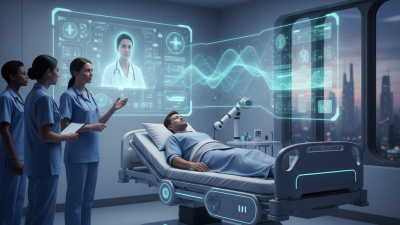
Telehealth continues to reshape healthcare delivery. Virtual consultations are more accessible than ever. This evolution is especially beneficial for those with limited mobility. However, digital literacy remains a barrier for many. Training is necessary to ensure everyone can participate. As these trends develop, they raise important questions about the future of care equipment and its impact on our lives.