
- Hospital Furniture
- Neonatal Care Product
- Operating Surgical Tables
- Orthopedic Implants
- Surgical Operating Led Lights
- Orthopedic External Fixators
- Laryngoscopes
- Orthopaedic Power Tools
- Medical Disposables
- Hospital Clothing
- Anaesthesia Products
- Autoclaves & Sterilizers
- Hospital Holloware
- Suction Units
- Rehabilitation Aids
- Stethoscopes
- Anesthesia Machine & Ventilators
- Cold Chain Equipment
- Electro Medical Equipments
- Orthopedic Instruments
- Surgical Operating Led Lights
- Physiotherapy products
10 Maternity Pads Buying Tips for Global Buyers?
For global buyers, Maternity Pads are not ordinary hygiene products. They support women during a physically demanding recovery period, often in hospitals, homes, and emergency care settings. A suitable product must manage heavy postpartum flow while protecting sensitive skin. It should also feel soft, stay securely positioned, and remain comfortable during movement.
Dr. Alyssa Dweck, an OB-GYN and women’s health specialist, states, “Postpartum comfort, absorbency, and skin safety should guide every pad choice.” This principle sounds simple. It is easy to overlook.
This guide presents ten practical Maternity Pads buying tips for international purchasers. It examines absorbency ratings, pad length, wing design, breathable materials, adhesive strength, packaging, and supplier consistency. Buyers should inspect whether the core absorbs fluid quickly or merely feels thick. A bulky pad is not automatically better. Some products look impressive in samples but shift during walking, which can create stress and waste.
Material transparency also matters. Ask for fiber details, fragrance information, skin-contact testing, and production records. Request samples from different batches. One shipment may feel softer than another, and that difference deserves attention. Packaging should protect individual pads from moisture, dust, and handling damage.
Price still matters. However, the cheapest carton may bring higher replacement costs and more complaints. Regional climate, transport conditions, and local user preferences can change the final decision. There is no universal “best” Maternity Pads product. Careful testing remains necessary, even when a supplier appears reliable.
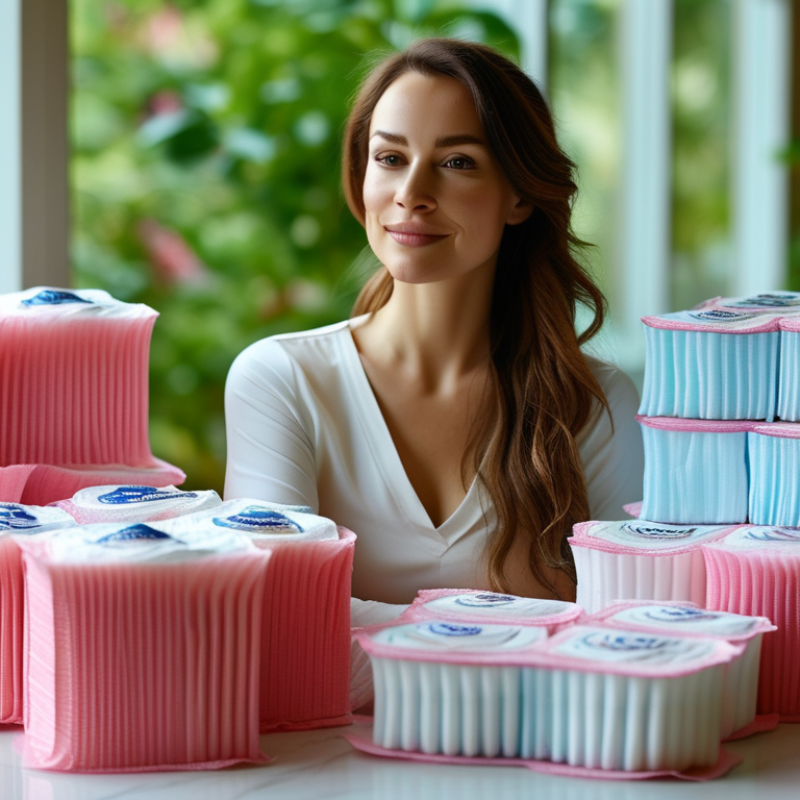
Table of Contents [Hide]
Define Postpartum Needs and Maternity Pad Use
Define Postpartum Needs and Maternity Pad Use
Postpartum bleeding varies by person, delivery method, and recovery stage. A buyer should not choose maternity pads by thickness alone. Heavy bleeding may require a wider pad with stronger absorption during the first days. Later, a slimmer design may feel more comfortable. Flow can change quickly.
Comfort matters as much as capacity. Look for soft, breathable materials and a secure adhesive strip. A longer rear section may help during sleep or extended sitting. After a caesarean birth, avoid designs that rub against the incision area. High-waisted underwear can improve stability, but fit remains personal.
Change pads regularly, even when they do not feel full. This helps reduce moisture and skin irritation. Wash hands before and after changing. Keep spare pads in a clean, dry pouch. Seek medical advice for unusually heavy bleeding, severe pain, fever, or a strong unpleasant odor.
A size chart is useful, but it cannot predict every body shape. I have found that comfort claims are often too general. Test a small quantity before making a large purchase. Some users prefer wings, while others find them restrictive. Buyers should compare absorbency, length, softness, packaging, and disposal guidance. Availability also matters in remote regions. A practical product is one people can access, understand, and use correctly.


